Results
The amino acid enrichment and physicochemical property analyses revealed a high degree of global similarity between thermostable and non-thermostable laccases. Subtle differences were found: thermostable laccases seem less polar in buried positions and less hydrophobic in positions exposed to the solvent. However, not all statistical tests corroborated these findings, meaning they are modest rather than systematic.
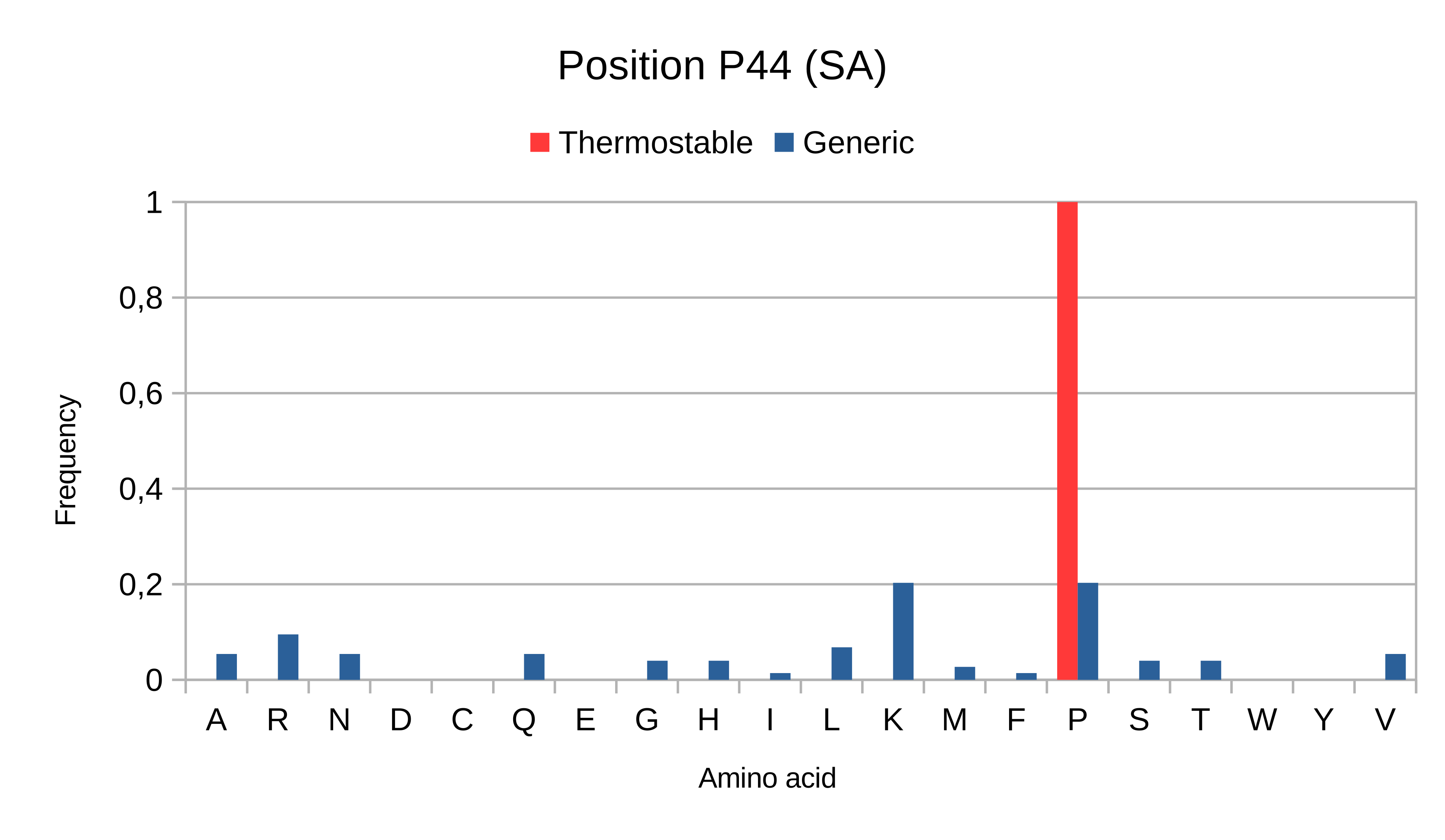
On the other hand, the KL divergence analysis identified numerous positions with very different amino acid usage between the two groups. The majority of these fall on loops or at the terminal regions of secondary structure elements. Thermostable laccases showed stronger conservation overall, with a lower mean Shannon entropy across buried and solvent-accessible positions.
What is Shannon entropy?
Shannon entropy is a measure of variability. In the context of this project it measures how diverse the amino acid usage is at a given position across all the sequences in a group (thermostable or non-thermostable). A low Shannon entropy means most sequences use the same amino acid at that position, indicating strong conservation. A high Shannon entropy means many different amino acids are found at that position, indicating high variability.
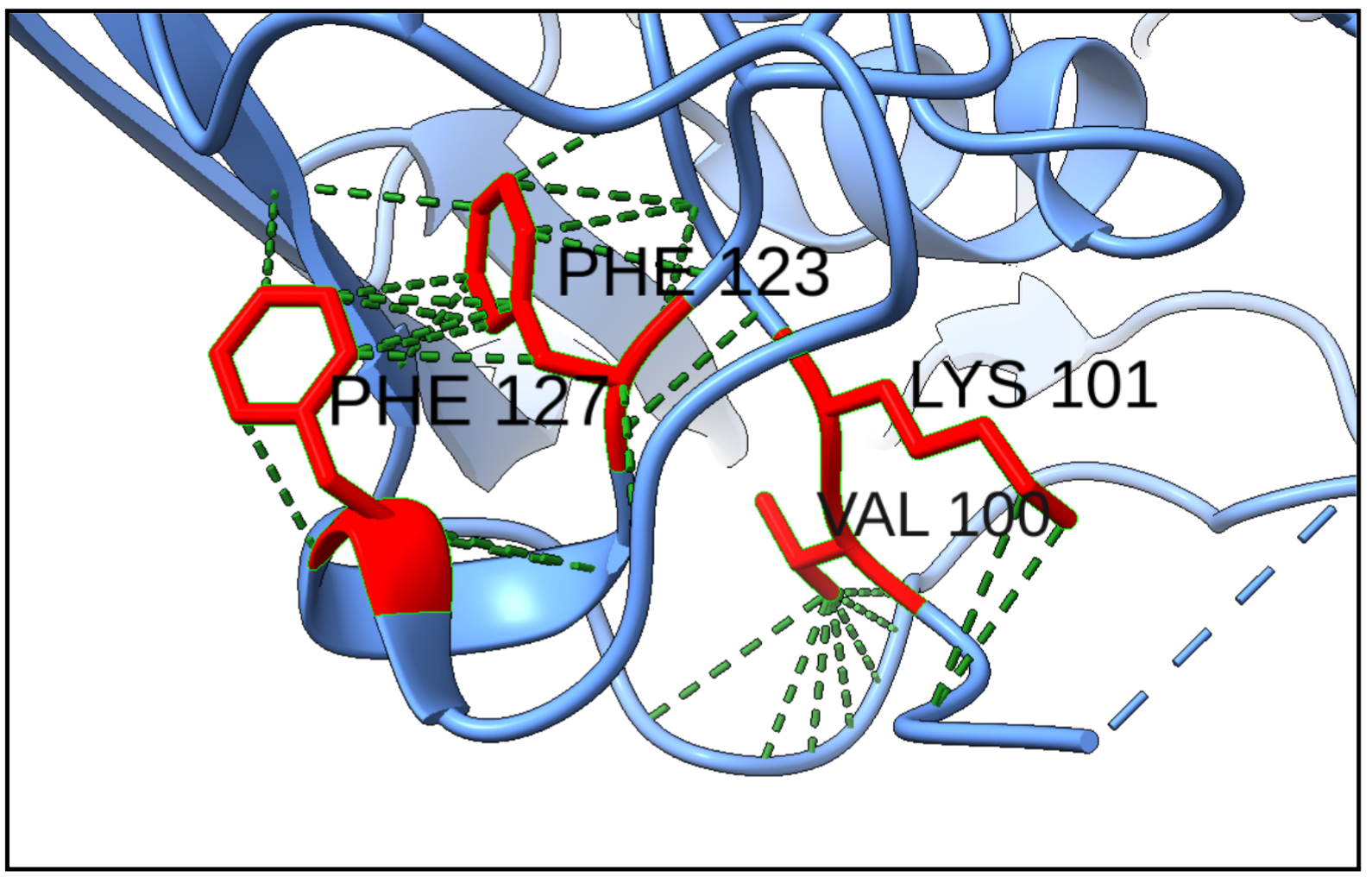
Structural examination of the most discriminating positions revealed some notable findings, such as increased proline conservation in many positions and the presence of a conserved hydrophobic cluster.